
The Serengeti needs little introduction - endless grassland plains stretching to the horizon, & a density of big cats that makes it one of the most famous wildlife destinations on the planet. This trip focuses specifically on the Lobo region, a quieter corner of the ecosystem away from the busier central Serengeti circuits.
For the current trip list, see our Tanzania wildlife photography holidays; you can also explore more Africa wildlife photography trips.
African Lion & African Leopard are the headline subjects, & David Miles guides the trip, drawing on years of experience reading pride movements & leopard territories across this specific stretch of the reserve.
What makes it work is the Lobo region’s relative quiet compared with the rest of the Serengeti - fewer vehicles at any given sighting, & rocky kopjes that both lions & leopards favour as resting & vantage points, giving genuinely predictable locations to search.
Our Tanzania Photography Holiday
We run one small-group trip to Tanzania, guided by David Miles:
1st - 8th Sep 2028 - Lions of the Serengeti
7 nights | from £7,999
Based in the quieter Lobo region of the Serengeti, with African Lion as the headline subject & African Leopard a realistic bonus among the rocky kopjes that both species favour.
More info on Lions of the Serengeti
Want to know more before booking? Get in touch & we’ll talk you through the camp, the daily game drive routine, & what makes Lobo different from the busier parts of the Serengeti.
What You’ll Photograph in Tanzania
African Lion
Cubs are a regular sight around several of the resident prides, adding a playful, more intimate dimension to what is otherwise a trip built around powerful, imposing adult animals.
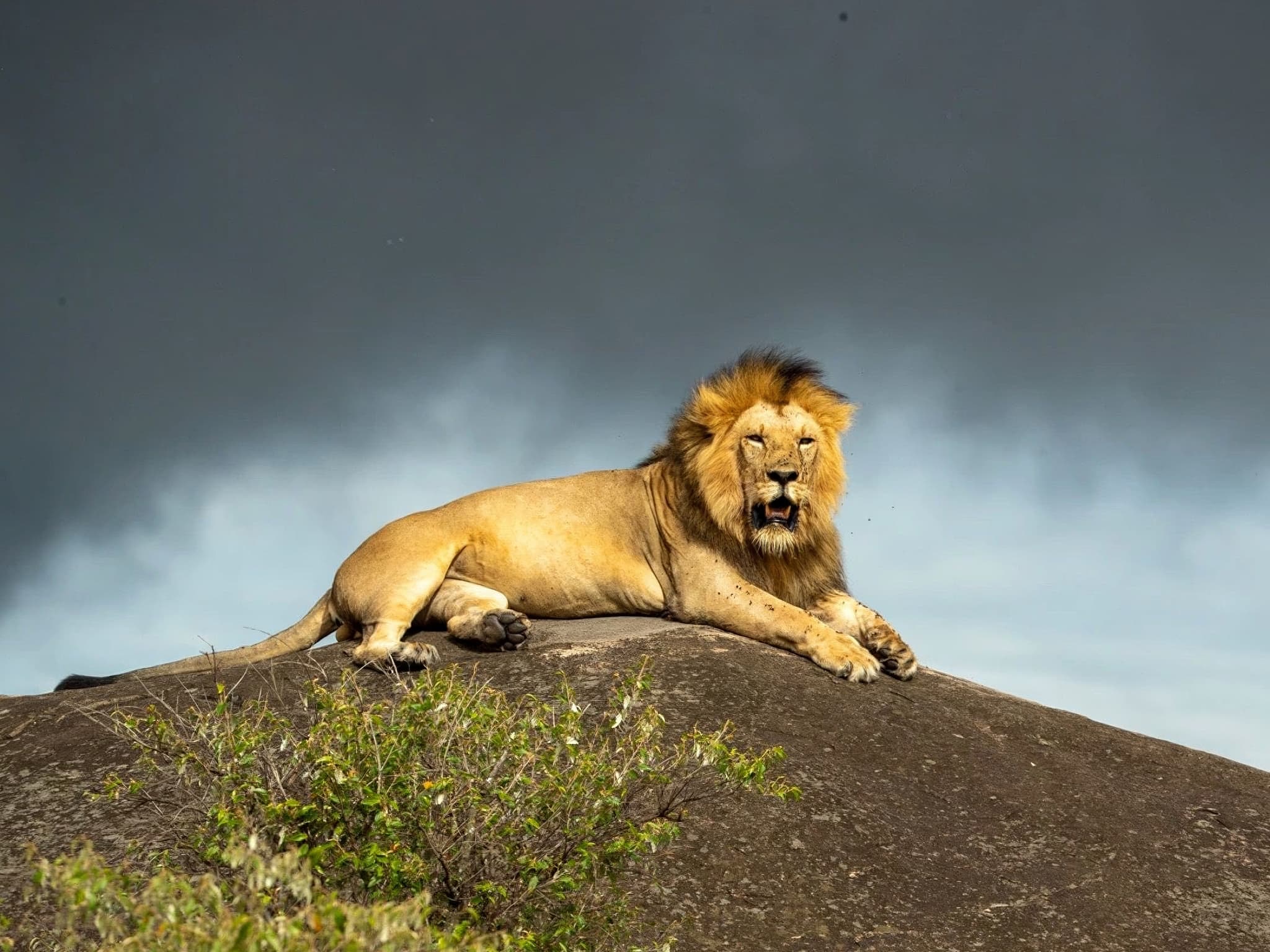
Several resident prides work the Lobo region, & the area’s rocky kopjes make for genuinely striking settings - lions resting on sun-warmed rock with sweeping grassland views behind them are a signature image of this trip. See more in our Big Cats photo archive.
Because the region sees considerably less vehicle traffic than the central Serengeti’s more famous circuits, sightings here tend to be calmer & less crowded, giving more time & better positioning for each individual photograph.

African Leopard
Every leopard sighting on this trip feels genuinely earned, given how effectively the species blends into dappled shade & broken cover even in relatively open terrain.
Leopard is considerably harder to find than lion across most of Africa, given how effectively the species uses cover, but the Lobo region’s kopjes & scattered acacia woodland give a genuine, if not guaranteed, chance across the week. A leopard draped along a low branch, catching the last light of the day, is one of the trip’s most sought-after images.
David’s knowledge of which kopjes & tree lines have held resident leopards in recent seasons makes a real difference to how the days are planned.


A Landscape as Much a Draw as the Cats
Weather across the dry season also brings dramatic skies of its own, & a distant rain shower moving across the plains behind a resting pride is a composition unique to this kind of open, big-sky landscape.
The Serengeti’s grassland plains, punctuated by granite kopjes rising abruptly from the flat terrain, give this trip a visual character distinct from the denser bush found elsewhere in East Africa. Wide, open compositions with a distant storm or sunset behind a resting pride are a regular highlight for photographers working the landscape alongside the wildlife itself.

Why Lobo Rather Than the Central Serengeti
Photographers who have visited the busier parts of the Serengeti before often describe Lobo as a refreshing change of pace.
The central Serengeti’s famous circuits see the majority of the ecosystem’s visitor traffic, & a well-known sighting there can quickly attract a dozen or more vehicles. Lobo, in the park’s northern reaches, sees a fraction of that pressure while still holding a genuinely healthy population of both lion & leopard.
That quiet translates directly into better photography - more time at each sighting, better vehicle positioning for light & composition, & a generally calmer, more considered pace to each day in the field.
A Region Named for Its Research History
Lobo takes its name in part from decades of long-term lion research carried out across this section of the Serengeti, giving guides & researchers an unusually deep understanding of individual pride territories & behaviour compared with many other African reserves. That accumulated knowledge feeds directly into how David plans each day’s search for the group.
When to Visit Tanzania
Our current departure runs in September, during the dry season when vegetation is at its thinnest & wildlife concentrates more predictably around remaining water sources, improving the odds of good sightings across the week.
Vehicle Etiquette & Group Size
Keeping vehicle numbers low at any given sighting is part of what makes the Lobo region work so well for photography, & David coordinates positioning carefully to give every guest a clean angle without crowding the animals or blocking anyone else’s shot. That discipline is easier to maintain here than at busier Serengeti sightings simply because there are far fewer vehicles competing for the same view.
Planning Your Trip to Tanzania
A telephoto lens in the 300mm to 500mm range covers most sightings well, given typical vehicle-based working distances. A bean bag rest across the vehicle window is more practical than a tripod for this style of photography.
Daytime temperatures during the dry season are warm, but early morning game drives can start genuinely cold, so layered clothing that can be shed through the day works best. Dust is a constant across the dry season, so a lens cloth & a dry bag or cover for camera kit are worth packing.
Kilimanjaro or Arusha is the usual arrival airport, with an internal flight or road transfer onward to the Serengeti.
A Trip That Suits Every Experience Level
Because game drives are vehicle-based & the region’s cats are relatively used to respectful vehicle presence, this trip suits photographers newer to African safari photography just as well as those with years of experience already behind them. David adjusts positioning & guidance to whoever is in the vehicle on a given drive.
Beyond Lion & Leopard
Cheetah, spotted hyena, & a wide range of plains game - wildebeest, zebra, giraffe, & topi among them - are common sightings across the Lobo region between the headline cat encounters, adding real depth to a trip already built around two of Africa’s most sought-after predators.
Life at Camp
The camp used for this trip sits within the reserve itself, close enough to the game drive areas that early starts don’t require a long transfer before the first sighting of the day. Evenings at camp, with the plains falling into darkness beyond the fire, are as memorable to many past guests as the game drives themselves.
Join Us in Tanzania
Photographers leave this trip with images that stand apart from the more familiar, crowded Serengeti scenes so often seen elsewhere.
A quieter corner of one of the world’s most famous ecosystems, resident lion prides, & a genuine chance at leopard - this trip delivers the Serengeti experience without the crowds that make the busier circuits harder work for photographers.
Few destinations anywhere combine iconic big cats with landscape this dramatic, & fewer still let you experience it away from the crowds.
David’s years of experience reading this specific corner of the Serengeti is what turns a week among the kopjes into a genuinely productive trip.
Get in touch if you’d like to know more, or head straight to the Tanzania destination page to see current availability.
Plan your Tanzania photography holiday
Explore our Tanzania wildlife photography holidays, compare more Africa wildlife photography holidays, & meet the NaturesLens photography guides who lead our small-group trips.