
Some destinations hold onto photographers long after the trip ends. This series looks at why - the density of subjects, the quality of light, & the specific species & scenes that make a place worth returning to again & again.
Each guide in this series pairs the case for a destination with the practical detail you need to plan a trip there: which of our small-group photography holidays cover it, what you’ll actually have the chance to photograph, & answers to the questions we hear most often.
Why This Series Exists
We get asked “why Costa Rica?” or “why Japan in winter?” far more often than we get asked about camera settings. This series answers that question properly, destination by destination, rather than folding it into a generic holiday listing.
Every guide follows the same shape: what makes the destination work as a photography trip, the specific NaturesLens holidays that cover it with current departure dates, a breakdown of what you’ll actually have the chance to photograph there, & practical guidance on when to go & how to prepare.
How This Series Is Organised
We started with our seven signature locations - Costa Rica, Kenya, Spain, Greece, India, Iceland & Japan - the destinations our guests return to most often & the ones we get asked about most. Each of those trips is genuinely built around a specific, well-understood set of subjects & conditions, refined over repeated seasons of guiding.
From there, we worked outward through the rest of our destinations, starting with the countries where we run the most departures: the United States, Hungary & Bulgaria, followed by single-trip destinations like Morocco & Finland. From there we completed the remaining countries across Europe, Africa, Asia & the Americas - Scotland, Norway, Sweden, Romania & Poland; Botswana, Madagascar & Tanzania; Tibet; Canada, Brazil, Colombia, Peru & Trinidad & Tobago. Every country we currently run trips to now has its own guide in this series.
In This Series
Why Photographers Are Drawn to Costa Rica

Rainforest density is the draw here - toucans working the canopy, a Resplendent Quetzal deep in the cloud forest, & poison dart frogs & sloths all realistic within the same week. Three trips run at different depths & paces, from a seven-night introduction through to a sixteen-night complete itinerary & a dedicated rarer-species departure.
Why Photographers Are Drawn to Kenya

The classic Mara safari, a nocturnal hide at Shompole, & a quieter private conservancy at Lemek - three very different ways to work the same big cats & plains game. Whichever trip you choose, the sheer density of predators & herds in Kenya is what keeps guests coming back season after season.
Why Photographers Are Drawn to Spain

The rarest cat in the world worked from a fixed hide, alongside two dedicated birding trips through Extremadura & northern Spain photographing raptors, bustards & steppe specialists - four departures covering a genuinely wide range of Spanish wildlife. Years of local knowledge about exactly which hide, & which season, is what turns a hopeful visit into a realistic Iberian Lynx sighting.

Why Photographers Are Drawn to Greece

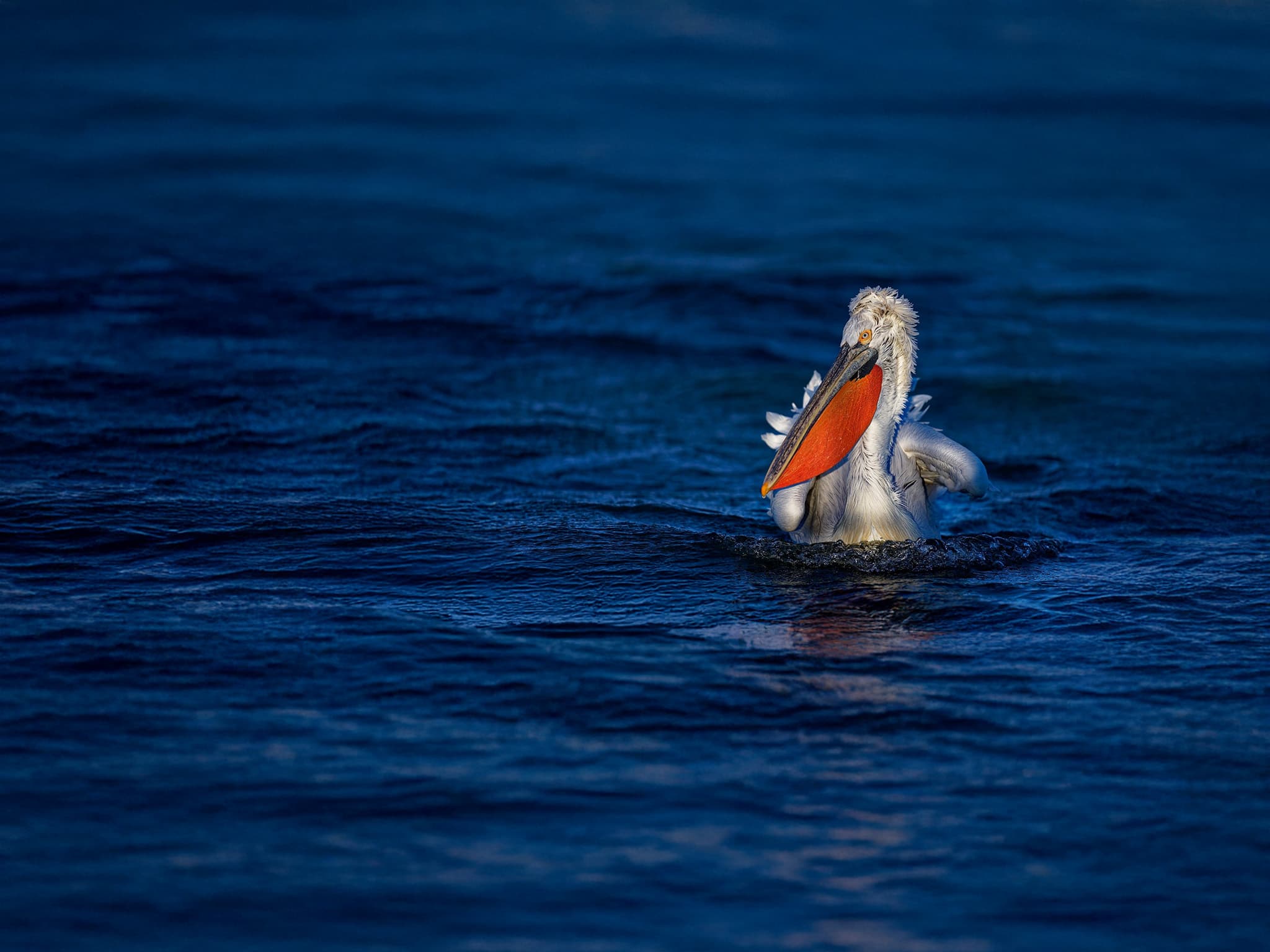
One lake, three departures - two winter pelican trips & a spring visit when the same water transforms with breeding herons & storks. Guests who return across different seasons often say Lake Kerkini feels like two or three completely different destinations.
Why Photographers Are Drawn to India

Bengal Tiger across two dedicated departures, or Indian One-horned Rhinoceros on the Kaziranga floodplain - three trips covering genuinely different photographic problems in one country. Each rewards repeat safari sessions with genuinely rare, high-value megafauna most photographers only see once in a lifetime.
Why Photographers Are Drawn to Iceland

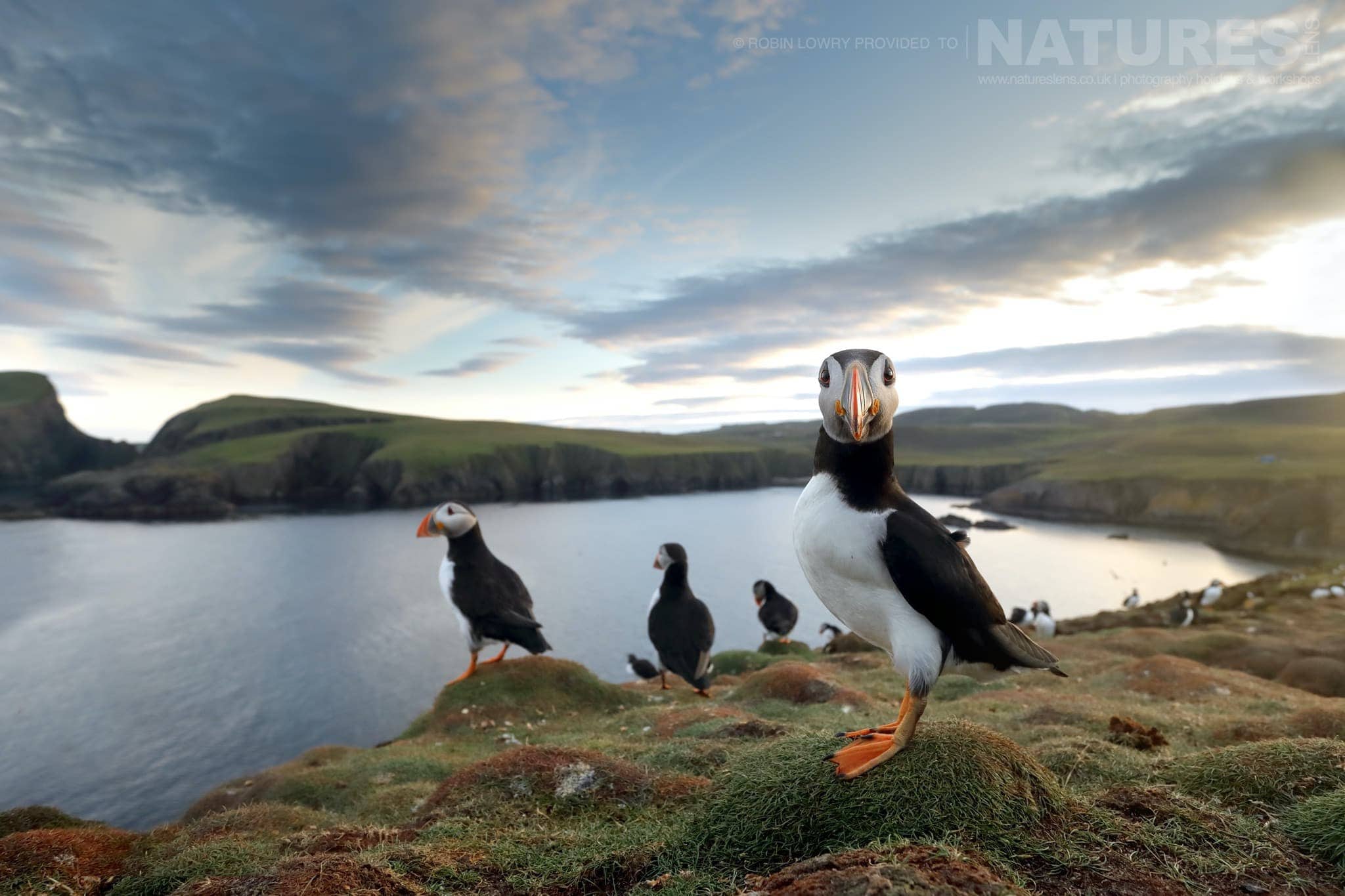
A single small island on the Arctic Circle holding one of the most accessible Atlantic Puffin colonies anywhere, plus a dense supporting cast of seabirds & waders. The raw volcanic landscape adds a dramatic backdrop that few other Puffin colonies anywhere in the world can match.
Why Photographers Are Drawn to Japan

Red-crowned Cranes dancing on Hokkaido snow, Steller’s Sea Eagles on the pack ice, & snow monkeys in hot springs - three completely different winter set pieces. Each is built around genuinely rare, high-value megafauna that rewards the extra planning a Japanese winter itinerary demands.
Why Photographers Are Drawn to the United States

Yellowstone Bison in deep snow, bubble-netting whales & Sea Otters with Bald Eagles in Alaska, Florida’s wading birds & California’s Pacific pelicans - five completely different American wildlife trips in one country. No other destination in the series covers this much geographic & seasonal range under a single flag.
Why Photographers Are Drawn to Hungary

Fixed hides that deliver otters & eagles all winter, bee-eaters & hoopoes all summer, & White-tailed Eagles on the open Hortobágy plain - precision engineered wildlife photography. Three separate departures mean there is a Hungary trip built around almost any season you want to travel.
Why Photographers Are Drawn to Bulgaria

Meadow & mountain butterflies across two dedicated summer departures, alongside a spring reptiles & amphibians trip - three ways into a country built for slowing down & working small subjects. Bulgaria rewards photographers happy to trade big mammals for genuinely close, patient macro work.
Why Photographers Are Drawn to Morocco

Fennec Fox & Addax on the Saharan dunes, alongside desert owls, sandgrouse & vipers - a trip built entirely around reading light & temperature rather than chasing volume. Dawn & dusk in the Sahara bring a stillness & colour that is genuinely hard to find anywhere else in the series.
Why Photographers Are Drawn to Finland

Wild Brown Bears in the taiga, with genuinely elusive Wolverine as a regular hide visitor & White-tailed Eagles overhead - one of Europe’s most reliable wild bear encounters. Long Nordic summer daylight stretches every hide session well into what would be full darkness at home.
Why Photographers Are Drawn to Scotland

One remote island, one species done brilliantly - close, uncrowded access to a thriving Atlantic Puffin colony on Fair Isle. Because so few visitors make the crossing, the birds see far less disturbance than at the busier mainland colonies found elsewhere in Britain.
Why Photographers Are Drawn to Norway

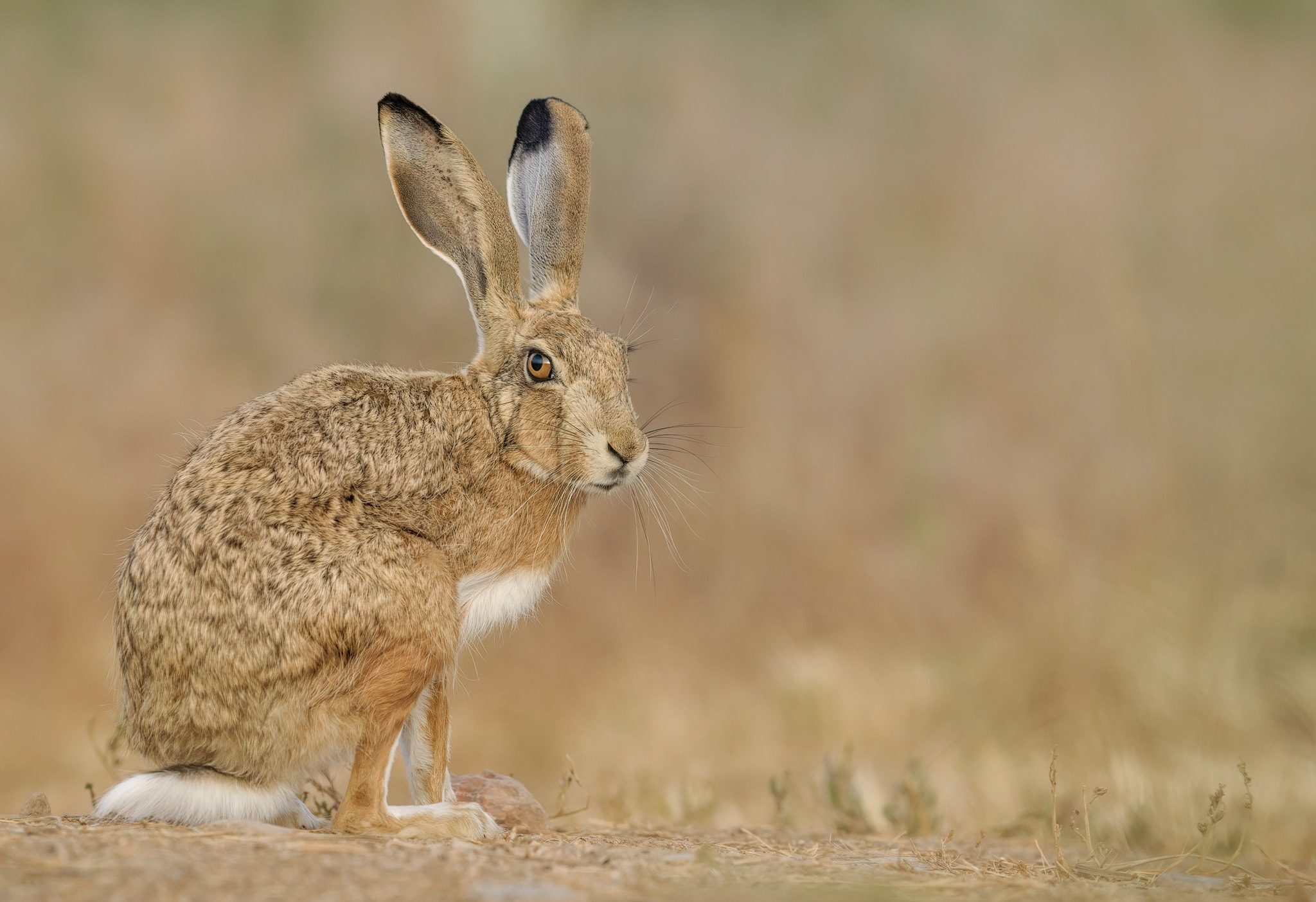
Arctic Fox & Arctic Hare in white winter coats, alongside Puffin & King Eider on the Varanger coast - genuine Arctic variety without an expedition ship. Mainland access keeps the trip considerably more flexible & affordable than a Svalbard voyage covering similar species.
Why Photographers Are Drawn to Sweden

Golden Eagle & White-tailed Eagle sharing the same winter feeding station - two of Europe’s biggest raptors from one fixed hide. Watching the two species dispute the same carcass is a genuine highlight rarely available anywhere else in Scandinavia.
Why Photographers Are Drawn to Romania

Squacco Heron, Great Egret & White-tailed Eagle worked by boat across Europe’s largest, least disturbed wetland. The sheer scale of the Danube Delta gives this trip one of the longest species lists anywhere in the series.
Why Photographers Are Drawn to Poland

A genuinely wild European Bison herd tracked through snow-covered primeval forest, with White-tailed Eagle & wolf sign along the way. Białowieża is one of the last fragments of the ancient lowland forest that once covered most of Europe.
Why Photographers Are Drawn to Botswana

Elephant herds hundreds strong at the water’s edge, photographed from a low river boat on the Chobe. Working from the water gives a genuinely different, eye-level perspective that a vehicle-based safari simply cannot match.
Why Photographers Are Drawn to Madagascar

Indri, Aye-aye & half the world’s chameleon species - an island where most of the wildlife exists nowhere else on Earth. An extended fifteen-night itinerary is what makes covering this much genuine biological rarity realistic.
Why Photographers Are Drawn to Tanzania

Resident lion prides on the Serengeti’s quieter Lobo kopjes, with a genuine chance of leopard away from the crowds. Fewer vehicles at any given sighting means considerably calmer, more considered photography than the busier central circuits.
Why Photographers Are Drawn to Tibet

Pallas Cat, Wild Yak & Tibetan Wolf across the high-altitude Qing-Zang Plateau - three of Asia’s most elusive specialists. It is one of the most physically demanding trips in the series, & one of the most rewarding for photographers determined enough to take it on.
Why Photographers Are Drawn to Canada

Coastal Grizzly Bears fishing for salmon, or Timber Wolf & Lynx tracked through midwinter snow - two very different Canadas in one series. Guests who complete both trips often describe them as feeling like two entirely different countries.
Why Photographers Are Drawn to Brazil

Three toucan species worked at Atlantic Forest feeding stations, in one of the world’s most threatened rainforest biomes. Less than a tenth of the original forest still stands, giving every visit a genuine conservation weight beyond the images themselves.
Why Photographers Are Drawn to Colombia

The world’s highest bird count, built into an extraordinary hummingbird species list across sixteen nights. Moving through several distinct Andean regions is what makes a species list this long realistic in a single visit.
Why Photographers Are Drawn to Peru

The extraordinary Marvelous Spatuletail headlines a wish list of Peru’s rarest high-Andean hummingbirds. A local co-leader based in Peru year round is what makes several of these genuinely tiny-range species a realistic target.
Why Photographers Are Drawn to Trinidad & Tobago

Reliable hummingbird feeders & thousands of Scarlet Ibis coming in to roost - a relaxed, compact island trip. The small scale of the island means considerably less time in transit & more time actually behind the camera than an equivalent mainland itinerary.
One Destination, One Question
Each article in this series answers a single question - why this country, why this trip, why now - rather than trying to cover everything we offer in one place. That focus is deliberate. A photographer weighing up Costa Rica against Kenya is asking a genuinely different question to one deciding between our two Iberian Lynx departures in Spain, & each guide is written to answer the specific question a reader in that position actually has.
It also means these guides age well. Trip dates & prices get updated as departures change, but the underlying case for why a destination works - the season, the subject, the light - stays true year after year, which is why we’re building this out as a permanent reference rather than a one-off campaign. We revisit each guide periodically to keep that detail current.
Choosing Where to Start
If you’re new to the series, the seven signature locations are the natural starting point - each represents a destination where we’ve built up years of guiding experience & genuinely reliable access to the headline subjects. Costa Rica & Kenya both suit photographers who want volume & variety in a single trip, while Spain, Greece & Iceland are better matches if you want a short, tightly focused trip built around one or two exceptional subjects.
India & Japan sit at the more involved end of the series - both reward repeat safari sessions or an extended itinerary, & both are built around genuinely rare, high-value megafauna that’s worth the additional planning & cost. Among the newer additions, the United States offers the widest range of any single country in the series, while Hungary, Bulgaria, Morocco & Finland each specialise in a narrower, more specific kind of wildlife photography.
What Makes a Destination Worth Its Own Guide
Not every country we run trips to gets a guide in this series - at least, not yet. What earns a destination its own entry is a genuinely specific, well-understood case for why photographers travel there: a particular subject, a particular piece of infrastructure like a hide network, or a particular season that makes the difference between hoping for a sighting & reliably getting one.
That’s why each guide leads with the practical trip detail rather than generic scenery description - current departure dates, difficulty ratings, & the specific species you can expect to come home with images of, destination by destination.
A Complete Set, With More to Follow
Every country we currently run small-group photography holidays to now has its own guide in this series - twenty-six destinations in total, from our seven signature locations through to the newest additions above. As we launch trips to new countries, this series will keep growing to match.
If you have questions about any of the trips featured above, or want help choosing between destinations, get in touch - we’re always happy to talk through which itinerary might suit what you want to come home with. Browse the full destinations list to see everywhere we currently run trips to.
Explore the destination hubs
Use this series alongside our regional hubs for nature photography in Europe, nature photography in Central America, South America wildlife photography trips, Africa wildlife photography holidays, Asia wildlife photography holidays, & North America wildlife photography trips.
You can also meet the NaturesLens photography guides who lead our small-group wildlife photography holidays.