
The Chobe River marks the border between Botswana & Namibia, & through the dry season it becomes one of the great wildlife concentrations of southern Africa - elephant herds numbering in the hundreds converging on the same stretch of water day after day.
For the current trip list, see our Botswana wildlife photography holidays; you can also explore more Africa wildlife photography trips.
African Elephant, African Lion, & African Skimmer all feature on this trip, photographed largely from the water itself, giving a low, eye-level vantage point that a vehicle-based safari simply can’t match. Pui Hang Miles guides the trip, drawing on years of reading the river’s daily rhythms of elephant movement.
What makes it work is the river-boat approach - working from a low, quiet boat lets the group approach elephants drinking, swimming, & bathing at the water’s edge without the animals reacting to a vehicle’s presence on the bank.
Our Botswana Photography Holiday
We run one small-group trip to Botswana, guided by Pui Hang Miles:
23rd - 30th Oct 2027 - Wildlife of the Chobe River
6 nights | from £6,999 | Easy - Gentle Adventures, Accessible to Most
Working from low river boats along the Chobe, with African Elephant as the headline subject in numbers rarely seen elsewhere, alongside African Lion on the riverbanks & African Skimmer working the water’s surface.
More info on Wildlife of the Chobe River
Want to know more before booking? Get in touch & we’ll talk you through the boat setup, the accommodation, & what a typical day on the river looks like.
What You’ll Photograph in Botswana
African Elephant
Herds numbering in the hundreds gather along this stretch of river during the driest months, making the Chobe one of the single best places on earth to photograph elephants at genuinely close range.
The Chobe holds one of the highest concentrations of elephants anywhere in Africa, with herds gathering at the water’s edge throughout the dry season to drink, bathe, & socialise. Working from the boat at water level gives a genuinely different perspective from the more common elevated vehicle view, putting the camera almost at the same height as the elephants themselves. See more in our African Wildlife photo archive.
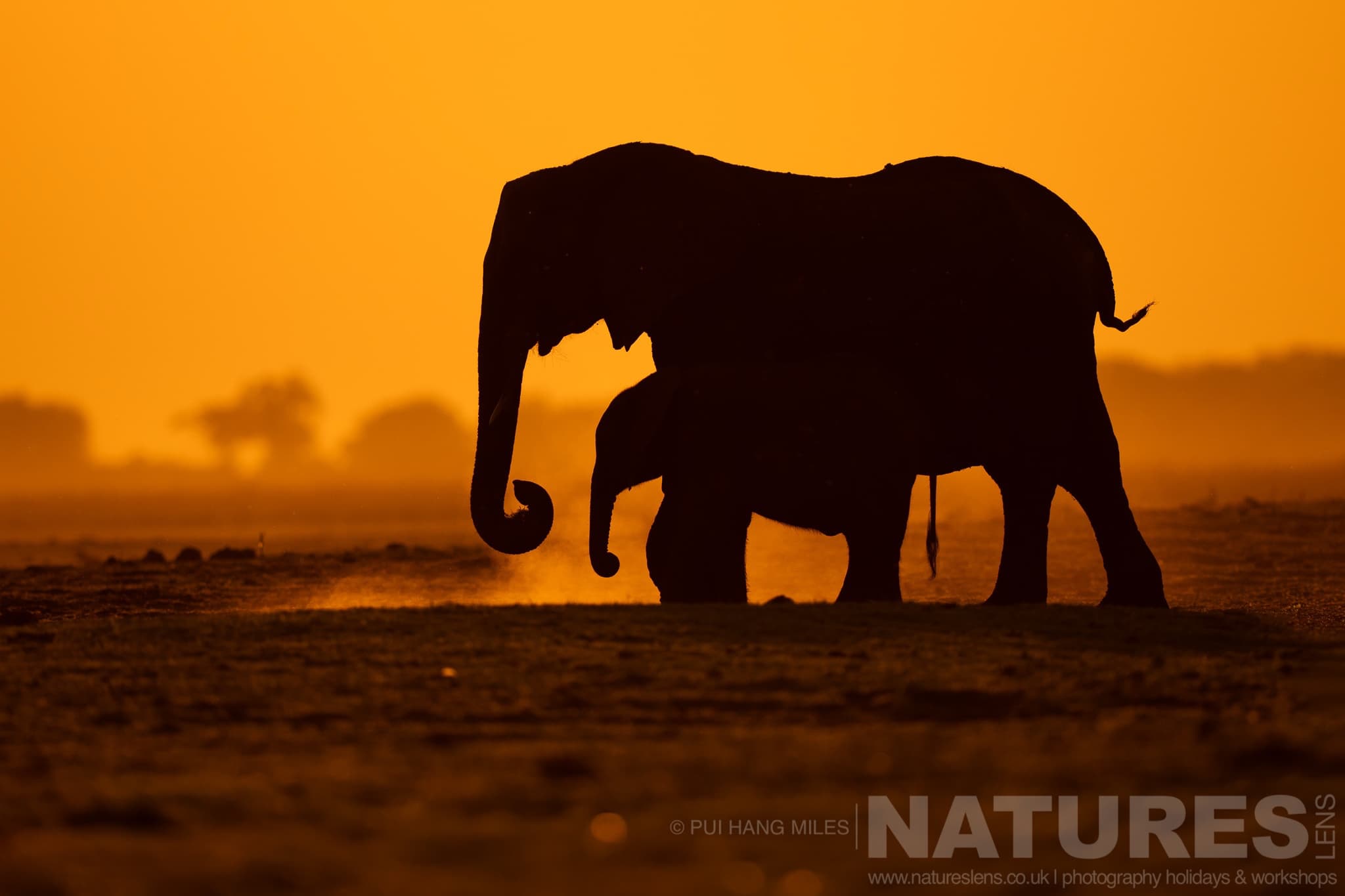
Late afternoon light on the river, with elephants silhouetted against the water or lit low & warm from the side, produces some of the most striking images across the whole series.


African Lion & African Skimmer
Both species reward patience & good timing rather than a guaranteed appearance, which is part of why the boat’s mobility along the river matters - a quiet stretch can become genuinely productive within minutes of relocating to fresh ground.
Lion prides work the riverbanks & surrounding floodplain, & sightings from the boat - a pride resting in the shade of a riverside tree, or moving down to drink - are a regular highlight of the trip. African Skimmer, a distinctive tern-like bird that feeds by trailing its lower bill through the water’s surface in flight, adds a genuinely unusual subject rarely seen outside a handful of African river systems.
A wide supporting cast of antelope, hippo, crocodile, & waterbirds fills out the days between the headline sightings, making this one of the more species-rich trips in the whole series.


A River That Never Goes Quiet
There is genuinely rarely a dull stretch of water on this trip.
Unlike a hide or a fixed vantage point, the boat keeps moving through the day, following wherever activity is currently strongest along several miles of riverfront. That mobility means the group rarely has a quiet session - if one stretch of river is quiet, the boat simply moves on to the next.
Sunset over the Chobe, with silhouetted elephants & birds against a wide golden sky, is one of the trip’s signature images & a highlight of most evenings on the water.
Why the River Rather Than a Vehicle Safari
Botswana offers excellent vehicle-based safari photography elsewhere in the country, but the Chobe’s river-boat approach offers something genuinely different - a low, water-level perspective & access to elephants & other animals actually in & around the water, rather than only on dry land.
It also removes much of the jostling for position common at busier vehicle-based sightings, since a boat can hold position quietly at a respectful distance while still giving every photographer aboard a clean, unobstructed view.
A Protected Border River
The Chobe forms part of the border between Botswana & Namibia, & much of the wildlife concentration here is a direct result of the surrounding Chobe National Park’s protected status combined with the river being one of the only permanent water sources across a huge area of dry savanna & woodland.
That protection has allowed elephant numbers along this stretch of river to grow substantially in recent decades, to the point where large-scale culling was once seriously debated as a management option - a sign of just how successful the park’s conservation approach has been.
When to Visit Botswana
Our current departure runs in late October, at the peak of the dry season when the Chobe becomes one of the only remaining water sources for miles around & wildlife concentrations along the river are at their highest & most reliable.
Planning Your Trip to Botswana
A telephoto lens in the 300mm to 500mm range covers most shots from the boat, with a monopod or beanbag more practical than a full tripod given the limited deck space. A wider lens is worth carrying for the elephant herds & river landscape when they fill more of the frame than a long lens can hold.
Botswana’s late dry season is hot & dusty, so sun protection, a hat, & plenty of water matter as much as camera kit. Early starts & late finishes make the most of the softest light & the busiest wildlife activity around the water.
Kasane is the usual arrival airport, close to the river region used for the trip.
Life Aboard the Boats
Comfort & photography access go hand in hand aboard these boats, with plenty of room to move between sides as a sighting develops on either bank.
The boats used on this trip are purpose-built for photography, with open sides & low gunwales that keep nothing between the camera & the water. Engines idle down to a crawl whenever the group approaches a promising sighting, keeping noise & disturbance to a minimum.
Packed breakfasts & lunches are typically taken aboard so the group can stay out on the water through the most productive hours of the day rather than returning to camp partway through.
Beyond the Headline Species
Hippo pods, basking crocodile, & a wide range of waterbirds - from fish eagles to herons - are common sightings along the river between the headline elephant & lion encounters, adding real depth to what is already one of the most species-rich trips in the series.
A Trip That Suits Every Experience Level
Because the boat provides a stable, comfortable platform & the wildlife concentrations here are genuinely reliable, this is one of the more accessible trips in the series for photographers newer to African wildlife photography, while still offering exceptional opportunities for anyone with years of safari experience already behind them.
Join Us in Botswana
Dense elephant herds, resident lion prides, & a genuinely different water-level vantage point combine to make this one of the most rewarding African trips anywhere in the series.
Few places in Africa offer this concentration of elephants from a genuinely different, water-level vantage point.
Pui Hang’s years of reading the river’s daily rhythms is what turns a week on the Chobe into a genuinely productive trip.
Get in touch if you’d like to know more, or head straight to the Botswana destination page to see current availability.
Plan your Botswana photography holiday
Explore our Botswana wildlife photography holidays, compare more Africa wildlife photography holidays, & meet the NaturesLens photography guides who lead our small-group trips.