
Some destinations only really show themselves on a second or third visit. This series looks at why that happens - the light that only holds for a couple of hours, the hide that takes years to position correctly, the guide who knows exactly where a wolverine crosses at dusk. Fifteen destinations, each answering the same underlying question in a genuinely different way: what makes photographers want to go back.
Where our companion series, Why Photographers Are Drawn To, makes the country-level case for a destination, this series works at the level of the specific place & the specific trip - the exact hide, lake, forest or conservancy - & asks what keeps drawing the same photographers back to it, sometimes year after year.
Why This Series Exists
Plenty of guests book a destination once, get the shot they came for, & move on to somewhere new. A smaller, more dedicated group do something different - they go back, sometimes three or four times, often in a different season or with a specific piece of behaviour still on their list. This series is about that second group, & about what it is, destination by destination, that earns a return visit.
Each article follows the same shape: what makes the location work as a repeat destination, the first-hand detail of what changes between a first & a later visit, & an honest account of what a booking there actually involves, including the newest trips in our collection where we are still building that returning-guest history ourselves.
In This Series
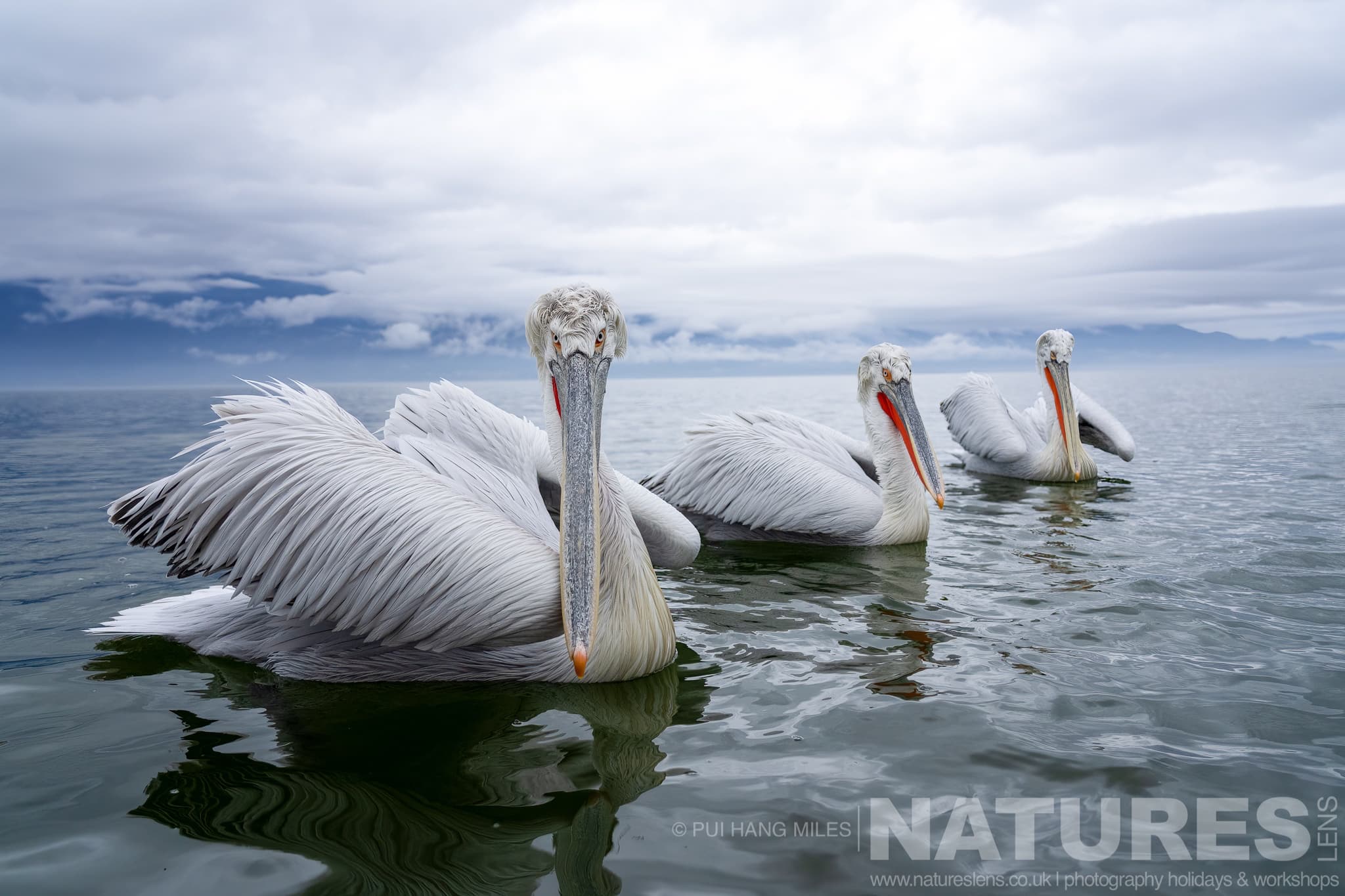
Why Photographers Keep Returning to Lake Kerkini - Dalmatian Pelicans

Boat-based, eye-level access to one of Europe’s rarest large waterbirds, in a landscape that changes completely between winter pelicans & spring breeding herons. Part of the wider case we make for wildlife photography in Greece.
Why Photographers Keep Returning to Hokkaido - Cranes, Eagles & Snow

Dancing cranes, pack-ice eagles & snow monkeys in hot springs - three completely different winter set pieces within a single trip. Part of the wider case we make for wildlife photography in Japan.
Why Photographers Keep Returning to Bandhavgarh - Bengal Tigers

One of India’s highest tiger densities, where repeated safari sessions turn a first sighting into a genuine study of individual animals & their territories. Part of the wider case we make for wildlife photography in India.
Why Photographers Keep Returning to Chobe - Elephants, Water & Light

Water-level boat photography puts you eye-to-eye with some of Africa’s largest elephant herds, in light that a vehicle-based safari simply cannot match. Part of the wider case we make for wildlife photography in Botswana.
Why Photographers Keep Returning to Shompole - African Wildlife & Light

Proper night photography from fixed hides, in a community-conserved wilderness with none of the vehicle congestion of Kenya’s more famous reserves. Part of the wider case we make for wildlife photography in Kenya.
Why Photographers Keep Returning to Białowieża - European Bison & Ancient Forest

No boats, no hides, no vehicles - just slow, deliberate tracking on foot through Europe’s last significant tract of primeval lowland forest. Part of the wider case we make for wildlife photography in Poland.
Why Photographers Keep Returning to Yellowstone - Wolves, Bears & Bison

Deep winter snow concentrates wolves, bison & elk into the Lamar Valley, testing patience more than almost anywhere else we guide. Part of the wider case we make for wildlife photography in the United States.
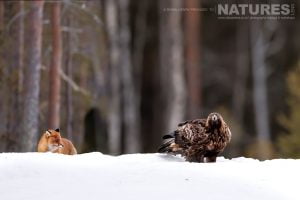
Why Photographers Keep Returning to Varanger - Arctic Birds & Eagles

Our newest Arctic trip, built around a coastline that draws the same King Eiders & Gyrfalcons back every winter whether or not we do. Part of the wider case we make for wildlife photography in Norway.
Why Photographers Keep Returning to Sierra de &újar - Iberian Lynx

Dusk hide sessions for the single hardest cat in Europe to photograph well - a difficulty that keeps guests wanting a cleaner, better second encounter. Part of the wider case we make for wildlife photography in Spain.
Why Photographers Keep Returning to Brazil’s Atlantic Rainforest - Endemic Wildlife

One of the highest concentrations of endemic birds anywhere on the continent, packed into a fragment of forest small enough to properly get to know. Part of the wider case we make for wildlife photography in Brazil.
Why Photographers Keep Returning to the Maasai Mara Conservancies - Big Cats & More

Low vehicle density & off-road access in the private conservancies bordering the Mara reserve - the same big cats, with room to actually work the light. Part of the wider case we make for wildlife photography in Kenya.
Why Photographers Keep Returning to Fair Isle - Puffins & Seabirds

Ten years of running the same June departure to Britain’s remotest inhabited island, close enough to walk across in an afternoon & never quite finish exploring. Part of the wider case we make for wildlife photography in Scotland.
Why Photographers Keep Returning to Bence Máté’s Hides - Wildlife at Close Range

A network of hides engineered species by species, where a returning guest spends less time relearning the site & more time refining the shot. Part of the wider case we make for wildlife photography in Hungary.
Why Photographers Keep Returning to Grimsey Island - Puffins & Arctic Seabirds

Genuine Arctic Circle seabird density, reached by a crossing that keeps this island’s colonies far less disturbed than Iceland’s more accessible sites. Part of the wider case we make for wildlife photography in Iceland.
Why Photographers Keep Returning to Suomussalmi - Bears & Taiga Wildlife

Genuinely wild border-forest brown bears worked from fixed hides under near-endless July light, a discipline built entirely on patience. Part of the wider case we make for wildlife photography in Finland.
How This Series Relates to Why Photographers Are Drawn To
The two series answer different questions at different scales. Why Photographers Are Drawn To makes the case for a country as a whole - why Kenya, why Spain, why Finland - & is the right place to start if you are still choosing between destinations. This series picks up from there, working at the level of the specific lake, hide network or conservancy, & asks the more particular question of what earns a repeat booking once you already know the country works for you.
Several of the destinations above sit directly inside a country already covered on the other side: Shompole & the Maasai Mara Conservancies both sit within the wider case for Kenya, Sierra de &újar within Spain, & Bence Máté’s Hides within Hungary. Reading both pieces together gives the fuller picture - the country-level why, & the destination-level why it is worth going back.
Who This Series Suits
This is written for photographers who have already done a first wildlife trip, wherever it was, & are starting to think about what makes a destination worth a second look rather than a single tick on a list. Some of the destinations above, Fair Isle, Yellowstone, Białowieża, come with a decade or more of guests returning to draw on; others, Varanger & the Maasai Mara Conservancies among them, are new enough that we are still building that history ourselves, & we say so plainly where that is the case.
If you are weighing up a first visit against a return trip to somewhere you already know, or simply want to understand what changes between a first & a later visit to any of these places, get in touch - we are always happy to talk through which fits what you are hoping to come home with.