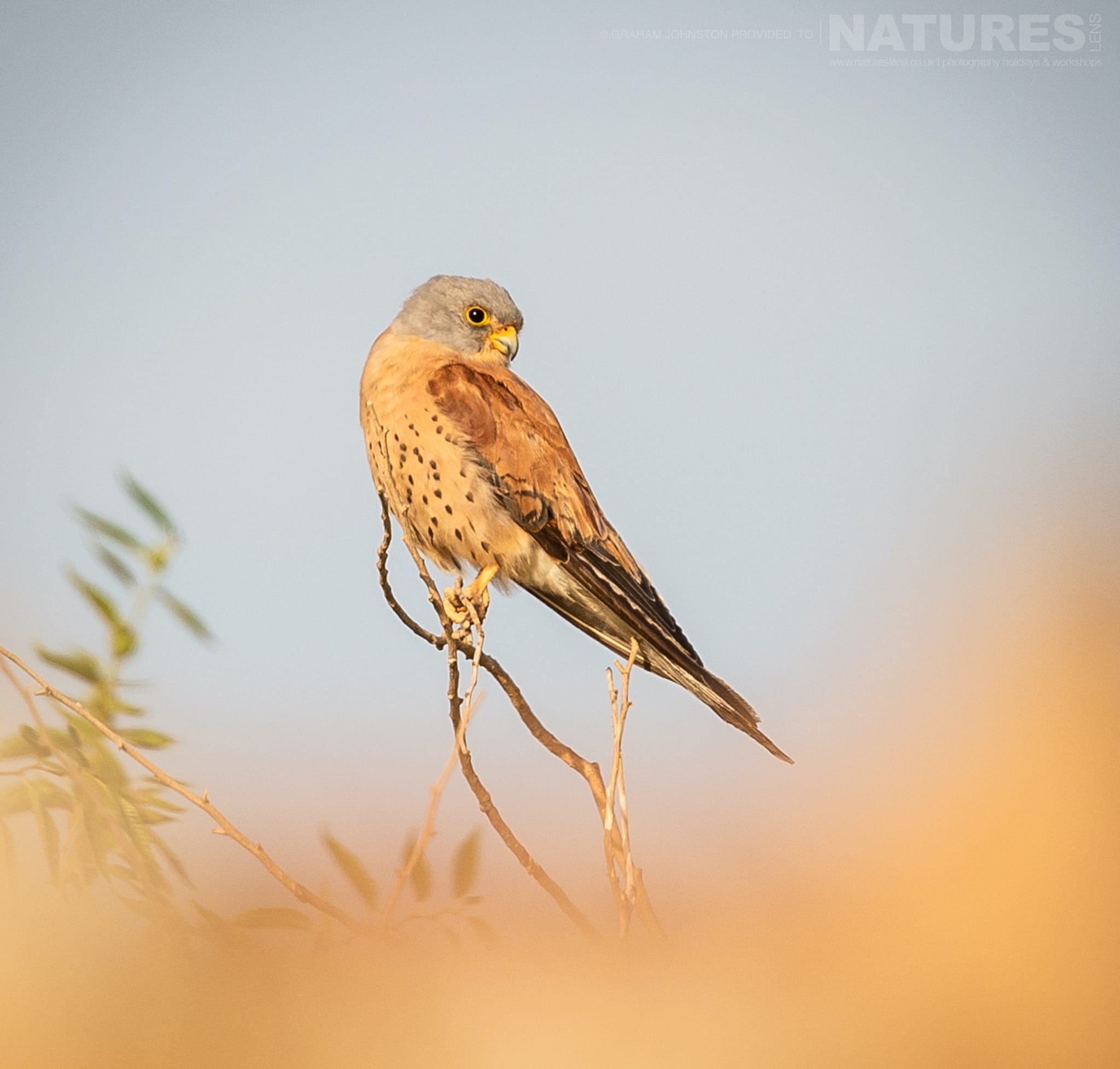

Bence Máté’s hides, tucked into the Pusztaszer landscape of southern Hungary, are about as close as European wildlife photography gets to a masterclass in controlled composition, & since adding our Wildlife Photography Hides of Hungary holiday to the collection in 2024, it has quickly become the trip guests describe as the one that changed how they think about hide photography altogether. Bence Máté has spent decades refining a network of purpose-built hides, each engineered around the precise behaviour, sightline & habits of a specific species, & running this trip has shown David, who guides every departure, just how much difference that level of design makes. This is about why photographers who have worked these hides once tend to want to come back & work them properly.

What makes these hides different to a standard photography hide?
Most hides are built for concealment first & photography second; Bence Máté’s are built the other way round, with every water level, perch angle & background considered specifically for how it will read through a lens rather than simply how well it hides the photographer. A water-level hide positioned so a Common Kingfisher’s dive is framed against a soft, out-of-focus reed bed rather than open sky, or a semi-submerged hide that puts you eye-level with an otter breaking the surface, are the product of years of iterative refinement at each specific site. That design discipline is the whole reason to make the trip: you are not hoping a decent composition presents itself, you are working within a setup already built to produce one.
Why does kingfisher photography here look so different to elsewhere?
Common Kingfisher is one of the trip’s signature subjects, & the specific hide built for it sits at water level with a perch positioned at a precise distance & angle that keeps the bird pin-sharp against a creamy, blurred background even at wide apertures. Watching a kingfisher dive from that perch, then working the sequence, the plunge, the strike, the return with a fish held crossways in the bill, from a hide engineered around exactly that behaviour, is a fundamentally different experience to the more opportunistic kingfisher photography most of us are used to along a riverbank. European Bee-eater & European Roller work similarly dedicated perches elsewhere on site, both species bringing colour that photographs exceptionally well against the site’s carefully managed backgrounds.
Why does the night-hide fox photography demand a different rhythm?
Red Fox & the site’s night-hide sessions, built around controlled, low-level lighting that does not disturb natural behaviour, open up a completely different pace to the daytime kingfisher & bee-eater work. Sessions here require sustained stillness over several hours, often into darkness, waiting for foxes to work bait sites within clean range of the hide’s sightline, & the payoff, a fox caught mid-stride with catchlight in its eyes against a controlled dark background, rewards a level of patience that daytime hide work does not demand in quite the same way. Long-eared Owl & Little Owl round out the site’s nocturnal & crepuscular subjects, both benefiting from the same careful, low-disturbance lighting setups that make the fox sessions work.
What struck me most running this trip for the first time was how much of the actual skill Bence has built into the hides themselves, positioning that means a guest with relatively modest experience can still walk away with genuinely strong images, because so much of the compositional heavy lifting, background, distance, perch angle, has already been solved before you ever sit down. That is precisely why guests who return tend to talk less about needing to relearn the site & more about refining technique, exposure choices, sequence timing, within a setup they already understand, which is a considerably faster route to real improvement than starting from scratch somewhere new each time.
Why does Pusztaszer’s wetland habitat matter beyond the hides themselves?
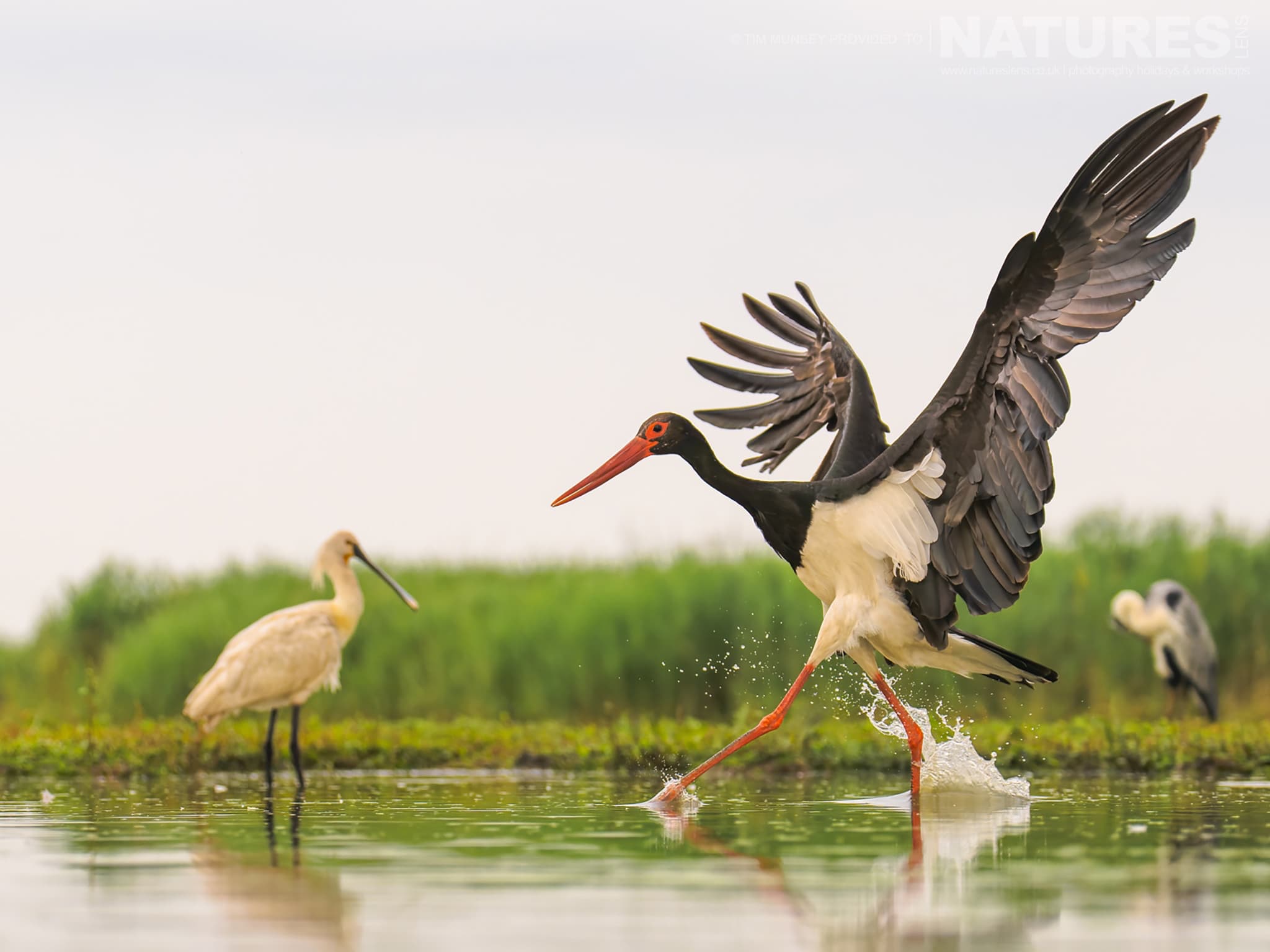
Pusztaszer’s mix of shallow wetland, grassland & scattered woodland supports Black Stork, Eurasian Spoonbill & European Ground Squirrel alongside the hide-based specialists, & several of the site’s hides are positioned to take advantage of that wider habitat, framing a stork wading through shallow water with spoonbill activity visible in the background rather than isolating a single species against a plain backdrop. That layering of habitat & species within a single frame is something the site’s designers have clearly thought about carefully, & it gives the trip a richer, more varied set of images than a single-species hide setup ever could. Moving between hides across a single day, wetland at dawn, grassland by mid-morning, a night hide after dinner, also means the light itself becomes part of the variety, from the flat, even glow of an overcast wetland morning to the warm, low sun raking across open grassland in late afternoon, & learning to read which hide suits which light is a skill this site develops faster than almost anywhere else we work.
Why does the hoopoe & ground squirrel work suit a slower pace of day?
Eurasian Hoopoe & Common Cuckoo add a further, quieter layer to the daytime work, both photographed from hides positioned around the grassland margins rather than the water, & the pace here is deliberately unhurried compared with the more active kingfisher & bee-eater sessions. European Ground Squirrel, small, alert & constantly popping up & down at burrow entrances across the open grassland, is one of the more genuinely entertaining subjects on site, & photographing a colony going about its business in soft midday light is a welcome change of register after an intense dawn session at the kingfisher hide. Eurasian Otter turns up along the same wetland margins, elusive enough that a sighting still feels earned even with a hide built specifically around its favoured stretch of water.
Who tends to get the most from this particular trip?
It suits photographers who want to properly study composition & hide technique rather than simply accumulate species, & who are comfortable with long, still sessions that sometimes run into the night. The group is capped at seven, matched to the number of workable positions across the hides being used on any given day, & it particularly suits anyone keen to understand how a hide’s design shapes the image before the shutter is even pressed, since that is the lesson this site teaches better than anywhere else in Europe.
So what keeps photographers coming back to Bence Máté’s hides?
It is the sheer craft of the place: once you understand how deliberately every hide has been engineered, returning to work a setup you already know, refining rather than discovering, becomes its own reward. That instinct sits alongside the wider case we make for wildlife photography in Hungary in why photographers are drawn to Hungary, & you can read more about the site’s habitat & species in our field guide to Bence Máté’s hides. If you would like to talk through a June departure, get in touch & David will explain which hides suit which stage of your photography.