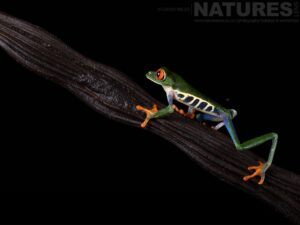

Bence Máté’s hide network in southern Hungary is among the best-designed setups we’ve encountered for photographing European wildlife at close range. The hides sit across his family farm & the surrounding wetlands, positioned at water-level ponds, nest sites & feeding stations. Spring - typically May into early June - is when the system is at its most productive, with breeding activity, migratory arrivals & long daylight hours all working in your favour.

How the Hides Work?
Bence has spent years refining his hides. They’re built low to the water or ground, with one-way glass & carefully controlled backgrounds so that the images you produce are clean & well-composed before you even raise the camera. The pond hides are the centrepiece: water-level positions that put your lens just above the surface, giving you that eye-level perspective with wading birds that’s so difficult to achieve elsewhere.

The hides are designed to minimise disturbance. You enter before the birds arrive, & the construction keeps your movement invisible. The result is natural behaviour at close range - you’re photographing animals that don’t know you’re there, which shows in the images.

What Is The Spring Species List?
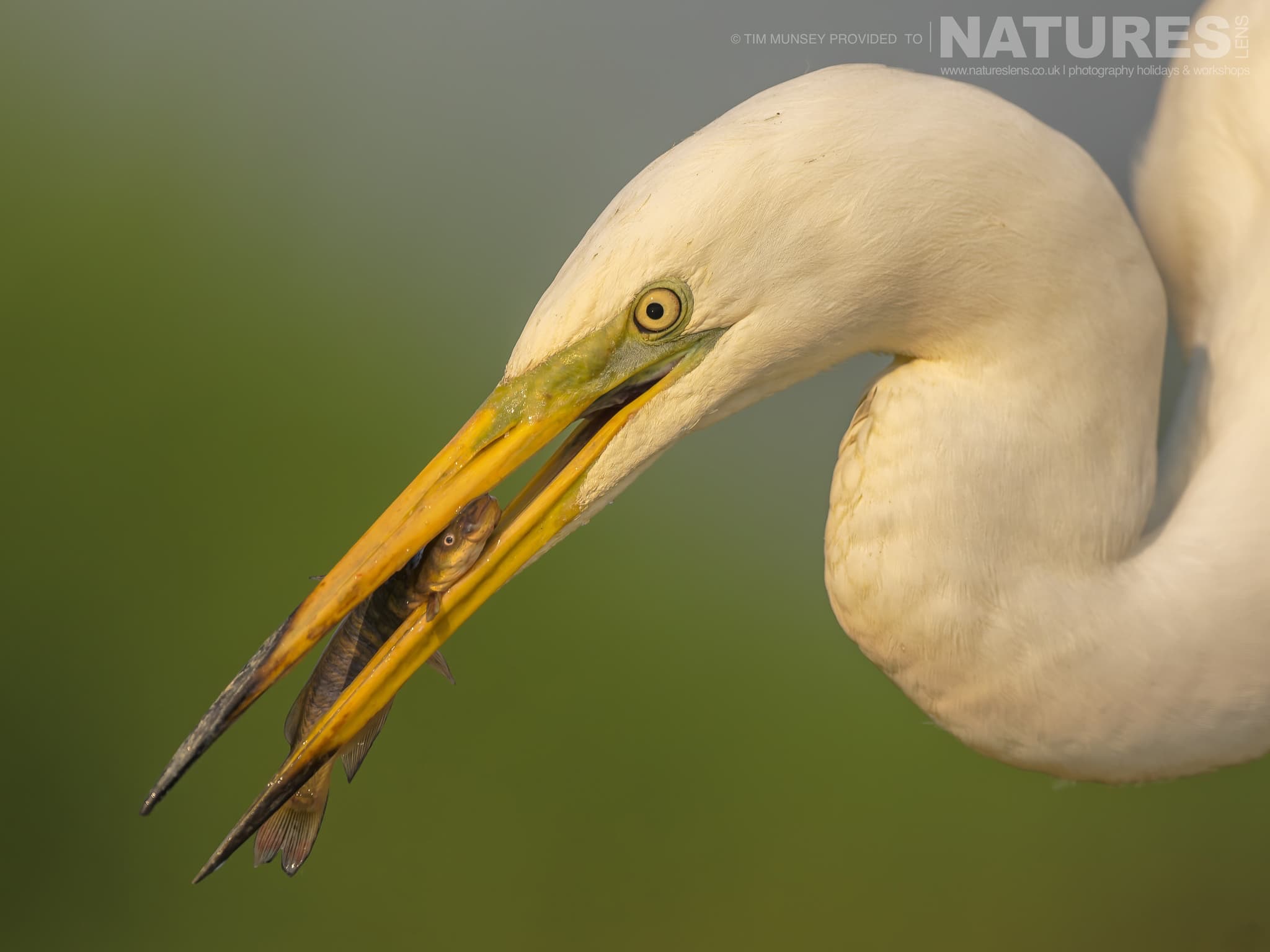
The pond hides draw a strong mix of wading birds through the spring months. Grey Herons & Great Egrets are regular visitors, often sparring over territory or fishing at the water’s edge. Eurasian Spoonbills feed in the shallows, sweeping their bills through the water in the distinctive side-to-side motion that makes for distinctive action sequences. Black-Crowned Night Herons arrive later in the day & offer a different mood - quieter, more deliberate, often photographed against darker backgrounds as the light drops.

Away from the water, the bee-eater hides are a highlight of any spring visit. European Bee-Eaters are among the most colourful birds in the Western Palearctic, & Bence’s hides are positioned near active nest sites where pairs can be photographed perched, in flight, & delivering prey. The turquoise, chestnut & gold of their plumage photographs well in almost any light, but the warm tones of early morning & late afternoon bring out the best colour saturation.


European Rollers nest nearby too. They’re less common than the bee-eaters but equally photogenic - the lilac-blue wing flash on a returning roller is one of those moments that rewards patience & fast reactions.

Hoopoes are another spring speciality. Their crest display & undulating flight pattern make them engaging subjects, & the hides near their nest sites offer close working distances. Little Owls are resident year-round & can often be photographed perched on branches or walls near the farm buildings.


What Is The Pond Hides in Detail?
The water-level ponds are the core of the spring experience. Great Egrets landing with spread wings, Grey Herons locked in aerial combat, Spoonbills feeding side by side - these are the scenes you’ll photograph from inches above the surface. The controlled backgrounds mean your subjects stand out sharply, & the proximity means you can work at moderate focal lengths (300-500mm covers most situations) & still fill the frame.


What Is Beyond Birds - Ground Squirrels & Mammals?
European Ground Squirrels are active around the farm during spring, & Bence has set up positions where you can photograph them at ground level. They’re inquisitive & fast-moving - good practice for your reflexes & useful portfolio variety alongside the bird images.

Fox cubs are sometimes visible from hides positioned near active dens, though this depends on the year & specific den activity.
Who the Trip Suits?
The hide-based format works well for photographers at any level. If you’re relatively new to wildlife photography, the controlled conditions - predictable subjects, good light, clean backgrounds - let you concentrate on technique without the added challenge of fieldcraft. More experienced photographers will find the conditions ideal for refining composition & pushing into more ambitious work: high-speed flight sequences, low-light atmospheric images, or creative use of reflections on the pond surface.
You can also simply use the hides at your own pace. There’s no obligation to follow a structured workshop format if you’d rather work independently.


What Is Our Spring Hungary Trips?
We run photography holidays at Bence Máté’s hides in both spring & winter. The spring trips are typically scheduled for May or early June, when breeding activity peaks & species diversity is at its highest. The trips are led by experienced wildlife photographers who know the hide system well & can help you make the most of each session.


Full details & current trip dates are on the Hungary photography holidays page.

- NaturesLens wildlife photography holidays are structured around photographic opportunity - every schedule decision is made around light, behaviour, & access.
- Small groups of 4-8 photographers ensure unhurried positions & individual guidance.
- Single occupancy accommodation is included as standard across the majority of our trips.